Marine Lubricant

Marine engines and onboard equipment work harder than most industrial systems: constant load, heat, moisture, and salt exposure. Sharlu’s marine lubricants are formulated to protect critical components, reduce wear, and keep vessels running reliably. Whether you’re operating commercial fleets, workboats, or marine generators.

Why marine lubricants matter

Using the right marine-grade oil helps you:

  • Absorb shock and vibration, reducing wear and ensuring smooth, consistent operation under harsh marine conditions
  • Reduce ring and liner wear under high-load operation
  • Keep engines cleaner by controlling deposits and sludge, thanks to modern marine oils containing detergents and dispersants that prevent sludge buildup
  • Prevent scuffing and scoring on moving parts
  • Improve corrosion protection in humid and salt-air environments, with marine lubricants containing up to 25% more additives than car oils to fight rust and corrosion from constant exposure to moist air and saltwater
  • Improve fuel economy by reducing internal resistance and friction, allowing the engine to run more smoothly and efficiently
  • Manage heavy loads, maintain viscosity (thickness), and resist shearing during sustained high RPM operation, which is essential as marine engines often run at wide-open throttle for extended periods
  • Ensure suitability for both two-stroke and four-stroke engines, with two-stroke marine engine oils needing TC-W3 ratings and four-stroke oils requiring NMMA FC-W ratings
  • Comply with ISO standards such as ISO 6743-4 and ISO 6743-6, and allow you to choose the suitable ISO viscosity grade (ISO VG) for your application
  • Provide reliable lubricating performance for power and power generation applications, including engines running on gas, LPG, LNG, and other gaseous fuels or refrigerants
  • Help prevent common engine problems such as carbon buildup and overheating
  • Support marine engines that typically run cooler than car engines (around 160°F vs. 210°F) to prevent salt crystallisation in cooling passages

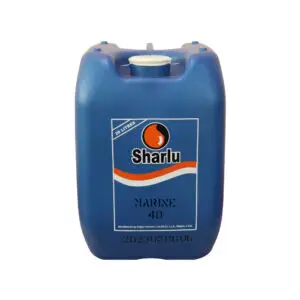
Featured product: SHARLU MARINE

SHARLU MARINE is designed for dependable protection in demanding marine conditions.

Key benefits:

  • Excellent anti-wear protection: helps reduce ring and liner wear for longer component life.
  • Superior detergent-dispersant performance: helps reduce deposit formation and keeps the engine cleaner.
  • Helps prevent scuffing and scoring: supports smoother operation and protects engine parts under stress.
  • Strong anti-corrosion properties: helps protect metal surfaces where moisture and salt exposure are common.


Recommended for:

  • Marine engines operating under sustained load
  • Applications where deposit control and cleanliness are critical
  • Environments requiring enhanced corrosion protection

Types of Marine Lubricants

Marine lubricants are engineered to meet the demanding requirements of marine engines and onboard systems. The main types include:

  • Trunk piston engine oils: Designed for medium-speed diesel engines, these oils provide essential lubrication, reduce friction, and protect against wear and corrosion in trunk piston engines.
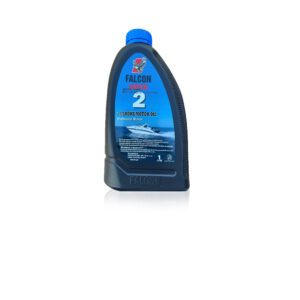
  • Two-stroke engine oils: Formulated for two-stroke engines, these lubricants ensure reliable combustion, minimise deposits, and support optimal performance in high-load marine applications.
  • Marine gear oils: Protect gears and bearings in propulsion systems and winches, offering rugged performance under high loads and varying speeds.
  • Hydraulic oils: Used in steering systems, stabilisers, and deck machinery, these oils maintain viscosity and efficiency even at high temperatures.
  • Compressor oils and system oils: Ensure smooth operation of air compressors and auxiliary systems, reducing wear and supporting reliability across various marine applications.
  • Synthetic lubricants and auxiliary lubricants: Provide enhanced protection and longer service life, especially in extreme conditions or where extended maintenance intervals are required.


Technical data sheets are available for each lubricant type, helping clients select the right product for their specific marine engine, system, or application. Choosing the correct marine lubrication is crucial for protecting moving parts, reducing friction, and ensuring the long-term performance of marine vessels.

Environmental Considerations

Sustainable marine lubrication is increasingly important for protecting marine ecosystems and meeting regulatory requirements. Key environmental considerations include:

  • Biodegradable and low-toxicity lubricants: Using high-quality, environmentally friendly marine lubricants helps reduce pollution and minimise the impact on marine life.
  • Synthetic lubricants and bio-based options: These advanced lubricants offer excellent performance while supporting eco-friendly marine operations.
  • Proper disposal and recycling: Responsible handling of used lubricants is essential to prevent environmental harm and comply with international standards.
  • Industry initiatives in the UAE: Companies and organisations in the UAE are leading efforts to promote sustainable marine lubrication practices, ensuring that marine vessels meet environmental regulations and quality standards.


By choosing lubricants that meet environmental requirements and following best practices for marine lubrication, operators can help protect the oceans while maintaining the reliability and efficiency of their vessels.

Frequently Asked Questions

Marine lubricants are used to reduce friction and wear in marine engines and onboard equipment, while also helping manage heat, deposits, and corrosion in harsh marine environments.

Marine-grade lubricants are typically formulated to meet ISO standards such as ISO 6743-4 and ISO 6743-6, ensuring they are suitable for specific marine applications and engine types. They are designed for high-load operation and offer enhanced resistance to moisture and salt-air corrosion, containing up to 25% more additives than car oils, including higher concentrations of anti-corrosion additives, to protect metal parts from rust and saltwater damage. Their advanced additive packages also support cleanliness and wear protection, making them especially effective in challenging marine environments.

SHARLU MARINE offers excellent lubricating properties to help reduce ring and liner wear, maintain optimal thickness (viscosity) for proper engine performance, and prevent scuffing and scoring. Its advanced detergent and dispersant additives help suspend dirt, soot, and combustion byproducts, preventing sludge buildup. The oil is specifically formulated to manage heavy loads, resist shearing during sustained high RPM operation, and provide anti-corrosion protection for marine conditions.

Deposits can reduce efficiency and contribute to wear. A strong detergent-dispersant package helps reduce deposit formation and keeps the engine cleaner over time.

Selection depends on engine type, operating conditions, OEM recommendations, and required performance characteristics (wear protection, cleanliness, corrosion resistance). Choosing the right marine lubricant also involves selecting the suitable ISO viscosity grade (such as ISO VG) and ensuring compliance with ISO standards like ISO 6743-4 or ISO 6743-6 for your specific application. Availability of marine lubricants may vary by region and port category. Premium ports offer a comprehensive selection, while others may have limited stock. For delivery options, stock availability, and confirmation, please contact the Sharlu office.

Need help selecting the right marine lubricant for your application? Contact Sharlu for recommendations based on your engine, operating conditions, and to confirm delivery and stock details.