

Sharlu’s industrial lubricants are engineered to protect equipment in demanding operating conditions, helping reduce wear, improve reliability, and extend service intervals across common industrial applications. Common types of industrial lubricants include hydraulic oils, gear oils, turbine oils, greases, and metalworking fluids, which are classified as oils, greases, or dry powders based on their physical form. Whether you’re running hydraulic systems, compressors, gear drives, machine tools, heat transfer systems, or metalworking operations, our range is designed to support cleaner operation, stable performance under heat and load, and consistent lubrication where it matters most.
Showing 1–16 of 24 results
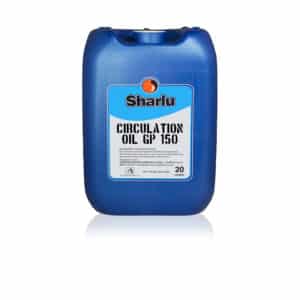
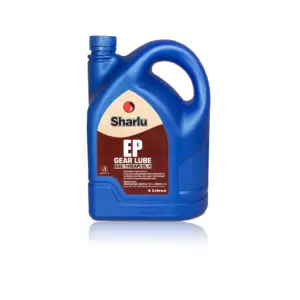
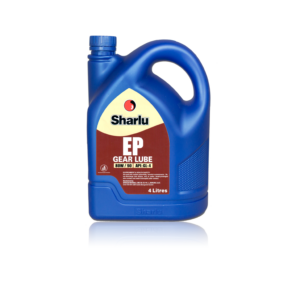
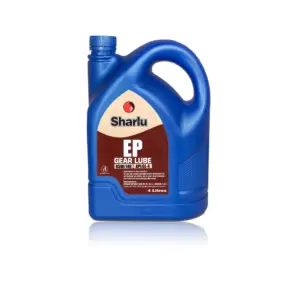


Liquid mineral oils are the most common type of industrial lubricant, accounting for 60% of industrial lubricant volume, and are typically used for general machinery, hydraulics, and gearboxes.
Industrial lubricants are used in manufacturing, metalworking, mining, and food processing, and certain industries require NSF gr-approved lubricants for food-grade applications. Selecting the correct lubricant is crucial, as the wrong choice can lead to accelerated wear, premature component failure, and significant downtime, costing and value loss production across manufacturing sectors. Consult with us, the manufacturer/lubricant manufacturer, for compatibility, specifications, and recommended products to ensure optimal performance and maintain warranties. Proper lubricant selection and management can also improve energy efficiency, reduce operational costs, and prevent costly failures. The market for industrial lubricants is evolving, with growing demand for environmentally friendly lubricants.
Industrial lubricants can be categorised into six functional types: liquid mineral oils, liquid synthetic oils, semi-solid greases, speciality food-grade lubricants, solid dry film lubricants, and extreme pressure gear oils. Synthetic oils are designed for high-performance applications, offering superior oxidation stability and a wider temperature range compared to mineral oils.
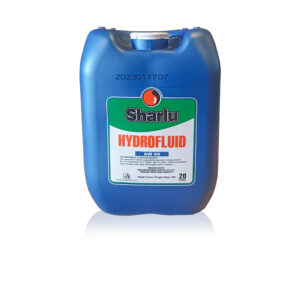
Choose SHARLU HYDROFLUID AW for vane, gear and piston pumps, machine tools, presses, injection moulding machines and circulating/hydraulic control systems. Key strengths include high thermal stability for longer oil life, superior filterability, and multi-metal compatibility. This helps to keep components cleaner and reduce sticking in sensitive parts like servo valves. Selecting the correct viscosity is critical for hydraulic applications, as it determines resistance to flow and ensures proper film strength to protect components under varying loads and speeds.
SHARLU Compressor Oil supports dependable lubrication in reciprocating compressor environments where heat and oxidation resistance matter. Clean compressed air is essential in pneumatic systems to prevent contamination, maintain efficiency, and avoid equipment failure.
SHARLU CIRCULATION OIL GP is suited to circulating lubrication needs where consistent film strength and stable performance support uptime.
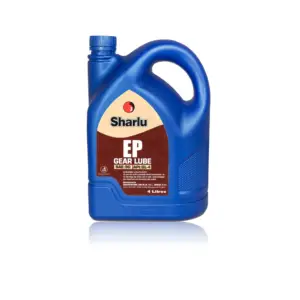
For industrial gear protection under load, explore SHARLU EP GEAR LUBLE GL-4, SHARLU MP GEAR OIL (GL-5) and SHARLU GEAR GUARD. These products are ideal where EP (extreme pressure) protection is required to reduce wear and scuffing. High film strength and EP additives are crucial for high-load and high-speed gear systems, and selecting the right viscosity ensures optimal performance and protection against wear, especially at varying speeds (RPM).
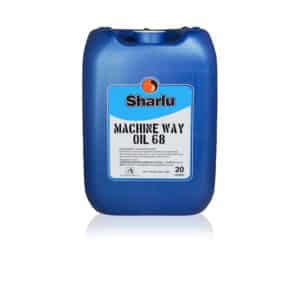
SHARLU MACHINE WAY OIL helps maintain smooth movement and reliable lubrication on machine tool ways and guides. The use of greases with appropriate thickeners is important for bearings and slideways, and selecting the right grease extends bearing longevity and reduces downtime.
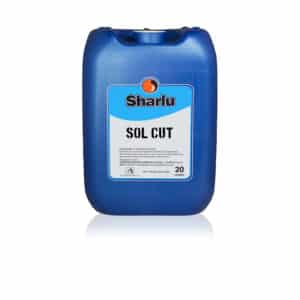
For cutting operations, SHARLU CUTTING OIL ‘F’ and SHARLU SOL CUT support machining performance and surface finish requirements across a range of workshop conditions. Material compatibility is essential: choose lubricants based on the specific materials (such as metal, rubber, or plastic) being machined to ensure effectiveness and prevent adverse reactions.
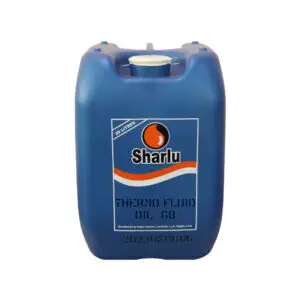
SHARLU THERMO FLUID is designed for heat transfer applications where thermal stability supports consistent operation. Synthetic oils are particularly suitable for high-speed bearings and extreme temperature applications due to their superior oxidation stability and wide temperature range.
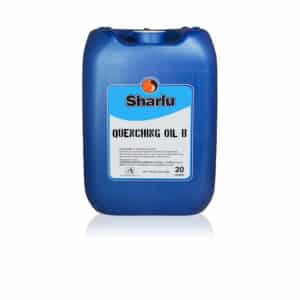
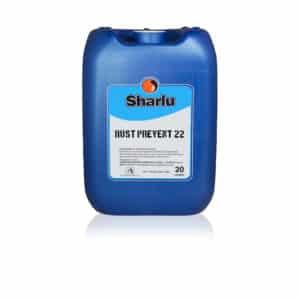
Options like SHARLU QUENCHING OIL B, SHARLU RUST PREVENTIVE OIL, and SHARLU RUBBER PROCESSING OIL L support specific manufacturing and protection needs. Lubricants can also act as a seal to prevent contamination and moisture ingress, so selecting the right lubricant is important for sealing effectiveness and component longevity.
When selecting industrial lubricants, always consider the speed (RPM) of bearings and gear drives, as well as the viscosity required for the application. High-viscosity oils are best for heavy-duty, slow-moving machinery, while low-viscosity oils suit smaller, high-speed parts. Many lubricants contain additives that prevent corrosion and rust by forming chemical bonds with surfaces or excluding moisture, protecting metal components from degradation.
To select the best product, consider the various factors that influence lubricant selection, such as viscosity, additives, base oil type, and application (hydraulic, gear, compressor, cutting, heat transfer). Always consult the equipment or lubricant manufacturer for compatibility, specifications, and recommended products to ensure optimal performance and maintain warranties.
Match the lubricant to (1) the application (hydraulic, gear, compressor, cutting, heat transfer), (2) the operating conditions (load, temperature, contamination risk), and (3) the required viscosity grade/specification for your equipment. Improper lubricant selection and management can increase machine downtime and total cost of ownership due to equipment failures and environmental damage. Proper lubricant choice also improves energy efficiency by reducing friction and lowering energy consumption.
Establishing a lubrication management system, including asset-specific databases, relubrication intervals, and colour-coded inventory and dispensing systems, helps prevent cross-contamination and ensures the correct lubricant is used at the right time. Condition-based oil changes and scheduled preventive maintenance based on equipment runtime can extend drain intervals and reduce unplanned failures. If you share your equipment type and operating conditions, we can help shortlist the most suitable Sharlu lubricant.
Industrial lubricants are used to reduce friction and wear, control heat, and protect equipment from corrosion in applications like hydraulic systems, compressors, gear drives, machine tools, circulating systems, and metalworking, as well as in critical components such as engines and bearings, where proper lubrication is essential for longevity and performance. By minimising friction, lubricants also contribute to improved energy efficiency, reducing overall energy consumption and operational costs. The right lubricant helps improve reliability and can extend service intervals. However, improper handling or disposal of lubricants can contaminate water sources and soil, posing significant environmental risks due to their toxicity to flora and fauna. It is estimated that about 50% of all lubricants are released into the environment, with disposal methods such as recycling, burning, landfill, and discharge into water being strictly regulated in most countries. Burning lubricants as fuel can generate airborne pollutants and toxic ash, requiring specialised facilities equipped with scrubbers to manage emissions and handle hazardous waste. At Sharlu, we are committed to sustainability and believe that a sustainable business is essential to our long- term success
Start with your equipment manual and match:
Synthetic oils generally offer superior oxidation stability and a wider temperature range compared to mineral oils, making them especially suitable for high-speed bearings and extreme temperature applications.
If you share the equipment type and operating conditions, Sharlu can help recommend the best-fit option.
Hydraulic oil is formulated for hydraulic pumps and control systems, focusing on anti-wear protection, filterability, and stable performance under pressure. Circulating oil is typically used in circulating lubrication systems where consistent film strength and oxidation stability support continuous operation.
Use EP (Extreme Pressure) gear oil when gears operate under high load or shock load, because EP additives help reduce scuffing and wear. Standard gear oils may be suitable for lighter-duty gear applications where EP performance isn’t required.
Compressor oil lubricates moving parts inside compressors and helps manage heat and oxidation. Using the correct compressor oil can reduce wear, improve efficiency, and help prevent deposits that may shorten equipment life. It is also crucial to ensure that compressed air used in pneumatic systems is clean and oil-free, as contaminants can cause equipment failure and reduce operational efficiency.
Cutting oils and soluble cutting fluids are used in machining and metalworking to help cool the cutting zone, improve tool life, and support surface finish. The best choice depends on the machining operation, metal type, and whether you need more cooling (often soluble) or more lubrication (often straight cutting oil). It is also important to consider material compatibility, as the properties of the material being machined (such as whether it is metal, plastic, or another substrate) can influence which industrial lubricants or fluids will provide optimal performance and protection.
Thermo fluid (heat transfer oil) is used in systems that transfer heat to maintain controlled temperatures in industrial processes. Thermal stability is important to support consistent performance and reduce breakdown at operating temperatures. In some high-temperature environments where liquids may not be suitable, gas can also be used as a lubricant for heat transfer and cooling, providing effective temperature regulation.
Quenching oil is used in heat treatment processes to cool heated metal at a controlled rate. The right quenching oil helps achieve desired hardness and mechanical properties while supporting consistent results.
Rust preventive oil forms a protective film that helps prevent corrosion during storage, transport, or between manufacturing steps, especially in humid or coastal environments.
Sometimes, but it depends on the required specs and viscosity. Using the wrong lubricant can reduce performance or cause wear. It’s best to select a lubricant designed for the specific application (hydraulic vs gear vs compressor vs metalworking, etc.).
Sharlu supplies industrial lubricants from Sharjah, UAE, to the UAE and worldwide. For availability, packaging sizes, and product selection support, contact the team with your application details.
Proper storage and handling of industrial oils and fluids are essential for maintaining lubricant quality and ensuring the reliability of industrial equipment. In demanding industrial environments, even high-quality lubricants with advanced extreme-pressure additives can become compromised if exposed to moisture, contaminants, or improper handling. To safeguard against these risks, lubricants should always be stored in a cool, dry area, away from direct sunlight and sources of water. Containers must be tightly sealed to prevent contamination, and storage areas should be organised to avoid accidental mixing of different fluids.
Implementing customised solutions, such as colour-coded labelling and barcode scanning, can streamline inventory management and help ensure the right lubricant is selected for each application. Training personnel on best practices for lubricant handling further reduces the risk of cross-contamination and equipment failure. By prioritising proper storage and handling, industries can maximise the performance and lifespan of their lubricants, protect sensitive machinery, and maintain efficient, trouble-free operation.
Disposing of used lubricants from industrial machinery is a critical responsibility for any facility aiming to minimise environmental impact. Whether the lubricant is based on mineral oil or more sustainable vegetable oils, improper disposal can lead to contamination of soil and water, posing risks to both the environment and public health. Laboratory analysis of used oil can help determine the most appropriate disposal or recycling method, ensuring compliance with environmental regulations and industry standards.
Many lubricant manufacturers now offer take-back programs and recycling services, making it easier for industries to manage waste responsibly. By choosing these services, companies can reduce their environmental footprint and support a circular economy. Even biodegradable lubricants, while less harmful, must be handled with care to prevent accidental contamination. Adopting responsible disposal practices not only protects the environment but also demonstrates a commitment to sustainable industrial operations.
Environmental considerations are increasingly shaping the selection and use of lubricants in industrial applications. Hydraulic systems, gear systems, and other critical equipment require lubricants that deliver high performance while minimising ecological impact. Additives such as sulfur compounds are effective at reducing friction and wear on metal surfaces, but they can also contribute to environmental pollution if not managed properly. As a result, many manufacturers are developing lubricants formulated with more environmentally friendly additives, such as molybdenum disulfide, which can help reduce downtime, extend equipment life, and lower overall waste.
Selecting the right lubricant for specific operating temperatures, loads, and speeds is essential for reducing friction, preventing corrosion, and protecting equipment. Regular filtration and maintenance of lubrication systems can further minimise the quantity of lubricant required, reducing waste and the risk of contamination. By adopting best practices for storage, handling, and disposal, and by choosing lubricants that balance performance requirements with environmental responsibility, industries can enhance productivity while supporting sustainability and reducing their overall environmental footprint. At Sharlu , we are committed to sustainability and believe that a sustainable business is essential to our long- term success.