

Our Specialities range brings together essential support products that complement our core lubricants portfolio. These include coolants, AdBlue, and speciality greases selected for their reliability, performance, and suitability across industrial and automotive environments. Each product in this category plays a critical role in equipment protection, temperature control, and consistent operation under demanding conditions.
Showing all 15 results
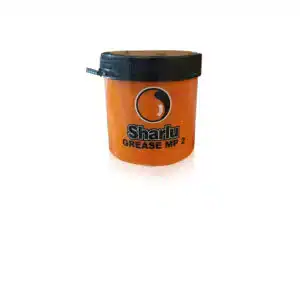
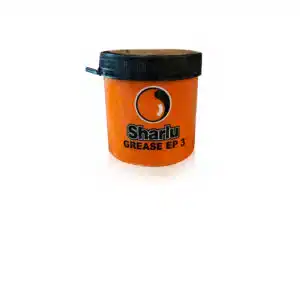
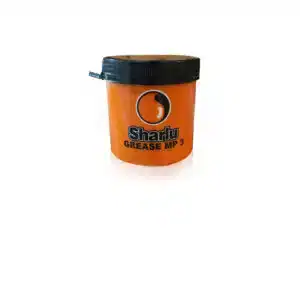
Lubricating grease is an essential lubricant used across a wide range of industries, from automotive and industrial machinery to food processing plants. Its primary function is to reduce friction between moving surfaces, protect against corrosion, and ensure the smooth, reliable operation of equipment. Grease is a semi-solid lubricant, typically made from three components: a base oil, a thickening agent, and various additives. The base oil provides the fundamental lubricating properties, while the thickener gives grease its consistency and ability to stay in place. Additives are included to enhance performance, such as improving resistance to oxidation or providing extra protection against rust and wear.
To help users select the right lubricating grease for their needs, the National Lubricating Grease Institute (NLGI) has established a standardised classification system. This system categorises greases based on their consistency and performance characteristics, making it easier to match the right product to specific operating conditions. Whether you’re looking to prevent friction in high-speed electric motors or protect against corrosion in harsh industrial environments, understanding the basics of grease composition and classification is the first step toward optimal equipment protection.
Additives are incorporated into grease formulations to enhance performance characteristics such as oxidation resistance, corrosion protection, and wear reduction. The most common additives improve properties like adhesion and further protect against wear and corrosion. Thickeners are crucial components that help grease maintain its structure and consistency, with common types including metallic soaps and non-soap thickeners like clay and polyurea. The thickener type is the primary factor that defines a grease’s properties and intended application.
Consistency is a property defined by the National Lubricating Grease Institute (NLGI) and is used to determine the level of softness or hardness of grease, with NLGI grades ranging from 000 (completely fluid) to 6 (very hard). Grease consistency is classified by the NLGI using this scale, which is essential for determining its suitability for specific applications. Penetration depends on factors such as thickener type, base oil viscosity, and handling, and penetration measures the resistance of grease to an applied force. This measurement is used to classify grease consistency and assign NLGI grades. Solid grease corresponds to very high resistance to deformation (low penetration), as per the NLGI classification.
Viscosity is another key property influencing grease stability, friction protection, and suitability for different applications, affecting how greases perform under heavy loads, high speeds, and varying temperatures.
Sharlu greases are designed for demanding industrial and automotive environments, with specialised automotive greases available for vehicles and machinery operating under harsh conditions. Whether you’re lubricating bearings in electric motors, gearboxes, pumps, blowers, or universal joints, selecting high-quality greases is essential for machinery facing challenging operating conditions, such as high temperatures, pressures, slow speeds, or for components that are not easily accessible.
Temperature resistance and good shear stability are key performance characteristics that ensure greases maintain their effectiveness and consistency under extreme heat and mechanical stress, making them suitable for demanding industrial, aeronautical, marine, and manufacturing applications.
Grease isn’t “one-size-fits-all”. The best choice depends on load, speed, temperature, and whether water or contamination is present. NLGI grades, penetration values (since penetration depends on factors like thickener type and base oil), and viscosity are also key factors in selecting the right grease for specific applications, as they determine consistency, performance under different conditions, and suitability for various equipment. In this range you’ll find:
EP grease is a strong choice when equipment runs under heavy-duty conditions and needs extra load-carrying performance. Sharlu EP Grease is suitable for plain, ball and roller bearings used in gearboxes, pumps, electric motors, universal joints, blowers and other heavy-duty applications.
Key strengths:
When you need a reliable all-rounder across mixed equipment, multipurpose grease is ideal. Sharlu Grease MP is suitable for industrial and automotive applications, including plain, roller and ball bearings used in blowers, pumps, gearboxes and electric motors.
Key strengths:
The performance of any high-quality grease depends heavily on its additives and thickening agents. Additives are specialised chemicals blended into the grease to enhance properties such as oxidation stability, water resistance, and protection against rust and corrosion. Common additives include rust inhibitors, extreme pressure agents, and anti-wear compounds, all of which help extend the life of lubricated components and reduce maintenance needs.
Thickeners are what transform liquid lubricant into a semi-solid form, allowing grease to form thicker films and remain in place even under high pressure or shock loads. The most widely used thickeners include lithium complex greases, calcium-based greases, sodium grease, barium complex grease, and polyurea grease. Each thickener type offers unique benefits: for example, lithium complex greases are prized for their high temperature and mechanical stability, while calcium grease is known for excellent water resistance. Specialty greases may also incorporate solid lubricants like molybdenum disulfide or graphite to further reduce wear and withstand heavy loads in extreme conditions. The careful selection of both additives and thickeners ensures that the grease delivers optimal performance for specific industrial applications, from rolling contact bearings to hydraulic fluids and beyond.
When maintaining or upgrading equipment, it’s crucial to consider grease compatibility before mixing or replacing lubricants. Not all grease types are compatible—differences in thickening agents, base oil types, and additives can lead to chemical reactions that degrade performance, reduce shear stability, or even cause increased wear and corrosion. For example, mixing a lithium complex grease with a calcium-based grease may result in separation or a loss of protective properties, especially under extreme temperatures or high pressure.
To avoid issues, always consult the National Lubricating Grease Institute (NLGI) compatibility charts and manufacturer recommendations. Pay close attention to the thickening agent and base oil used in each product, as well as any specialty additives. In critical applications, such as wheel bearings, electric motors, or food industry machinery, using incompatible greases can lead to frequent lubrication needs, shortened service intervals, or even equipment failure. When in doubt, thoroughly clean out old grease before introducing a new type, and ensure that the new lubricant matches the operating conditions and performance requirements of your application.
Grease is especially suitable for machinery with worn components, worn parts, or clearances enlarged due to wear, as it forms a durable lubricating film that compensates for increased gaps and extends the lifespan of these components. It is also ideal for components that are not easily accessible for frequent lubrication, providing long-lasting protection without the need for regular maintenance.
Solid grease is used in applications requiring very high resistance to deformation, offering reliable lubrication in demanding environments.
Grease is particularly useful for slow to moderate speed, high-load applications where keeping the lubricant in place is crucial. It has better staying power compared to oil, making it effective for hard-to-reach components operating at lower speeds or under heavy loads. Grease serves as a reservoir that holds oil in place and releases it slowly, allowing components to run longer without frequent re-lubrication. In intermittent machinery applications, grease stays in place and ensures immediate lubrication upon restart, reducing dry-start wear. Its thick consistency helps prevent leakage even if seals are worn, protecting products from contamination and ensuring proper lubrication. Grease also acts as a physical barrier against contaminants like dust, dirt, and water, reducing corrosion and wear on machinery. Additionally, grease does not require a complex circulating system like oil, resulting in lower maintenance costs and simplified machinery design.
If you tell us your equipment type, operating temperature, load conditions, and whether there’s water exposure, we can point you to the best fit in the range. Contact Sharlu today for assistance.
EP grease means Extreme Pressure grease. It’s formulated to handle high loads and high contact pressure, helping protect components like bearings and gear sets in heavy-duty applications.
Use EP grease when you have heavy loads, shock loading, or high-pressure contact (common in industrial equipment and heavily loaded bearings). Use multipurpose grease when you need a versatile option across a range of industrial and automotive lubrication points.
Yes. Sharlu greases are suitable for plain, ball, and roller bearings, including bearings used in gearboxes, pumps, electric motors, blowers, and other heavy-duty applications.
Yes. Both Sharlu EP Grease and Sharlu Grease MP highlight resistance to water washout, which helps the grease stay in place and continue protecting components in wet or washdown conditions.
Yes. Both products are positioned for vibration and shock loading, with Grease MP specifically noting it retains its structure under heavy shock loading and vibration.
Common use cases include gearboxes, pumps, electric motors, universal joints, and blowers, plus general heavy-duty lubrication points in industrial and automotive environments.
Selecting the right specialty grease is key to ensuring optimal performance, protection, and longevity for your equipment. By understanding the role of base oil, thickeners, and additives, as well as the importance of grease compatibility, you can prevent friction, reduce wear, and safeguard against corrosion, even in the most demanding industrial and automotive environments. Whether you’re dealing with extreme pressure, high temperature, or frequent replenishing, choosing a high-quality, NLGI-rated lubricating grease tailored to your application will help keep your machinery running smoothly for an extended period. For expert guidance, always refer to trusted resources like the National Lubricating Grease Institute or consult with lubrication specialists to match the right grease to your specific needs.